
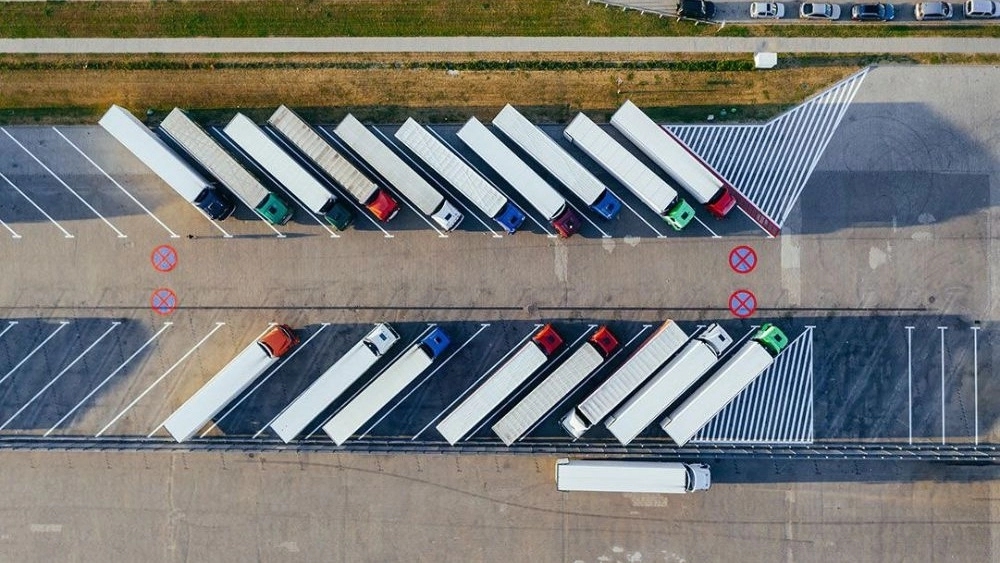
What is the transit of goods?
International activities in the field of transportation are called transit of goods and are carried out in accordance with international laws and regulations. Profitability and monetization in this regard is very suitable if it is in accordance with the principles and rules.
Transit Types of Product
Transit of the product is done in both internal and external ways:
External Transit
If three countries or more are involved in transportation and transportation, foreign transit is foreign. That is, the commodity travels from the origin to the destination of the three countries, and at certain times crossing the customs borders. Having a passport in this transit method is required.
Internal Transit
If the goods are made within the country between the two customs, it is internal. In this way, drivers must carry the goods in accordance with the customs formalities and bring the goods to the destination at a specified time. In case of delay in shipping, transit is considered as trafficking and prevents it from being used by the buyer.
forms and documents required for external transit
For external transit, forms and documents need to be prepared and prepared by the buyer here.
Forms such as Transit License and External Transit Declaration are essential forms that need to be prepared and the following documents are also important:
Documents required for external transit
Internal transit, like external transit, the required documents must be prepared and prepared, including the following:
Transit Methods of Product
We've been dealing with transit so far, but the following methods can be used to do so, which depends on the agreement of the parties to the transaction:
aerial transit
Aerial transit due to the high speed of transmission is one of the most important ways of transit of commodity by cargo aircraft in the two countries. In this way, much of the transmitted is related to food, fruits and agricultural products that are of great importance to prevent corruption.
road transit
Road transport is one of the most common ways of transporting goods so that we see 600 million tons of goods transport annually. Road transit is far less expensive than other transportation methods, and the benefits of this method are the following:
Rail Transit
rail transport has higher security and safety. In this way of transit, rail lines and freight trains begin the process of delivery and shipping. The most important thing in the rail transit method is to pay attention to the two countries' rail transport infrastructure.
Marine Transit
This model of transit is done when there are border ports between the two countries to be loaded and shipped to the destination by special freight ships.
FOB Transit
fob that is delivered to the deck of the ship is actually one of the important parts in transportation of goods. That is, the transit company is obliged to deliver the goods to the buyer in the designated location and pay all the costs of the goods to the appointed location. After clearance at the appointed location, the seller must pay all the costs of the next steps, including insurance, shipping, import tariffs, etc.
Transit Benefits in Iran
Transit of goods in Iran has important features that we will mention here:
Geographical location suitable for transit communication of neighboring and European countries
Placement in the Geographical Central Economic Cooperation Organization of ECO
Extensive discounts and facilities on transit and transportation
with appropriate capacities and potentials in various sectors of transportation
Increase the quantitative and qualitative increase in equipment
Transit Regulations and Regulations in Iran
Iran has provided appropriate conditions for transit of goods, which are implemented in accordance with international law and regulations. In 1995, this law was passed, which contains 26 articles and 4 notes. Those who intend to import and transit goods in both foreign and domestic categories must act in accordance with the rules set.
Here are some general examples of these rules:
Customs of Iran is required to provide its facilities at any of the freight terminals known as customs areas.
Forbidden goods for foreign transit by the National Security Council and approved by the Cabinet of Ministers External transit of animal, chemical and vegetable products must obtain the necessary authorization from relevant authorities
shipping containers as chamber are exempt from payment and customs duties and customs only records their entry and exit statistics
The Supreme Transportation Coordination and Approved Coordination Coordination and Approval of the Coordination of the Cabinet